


A clearer way to think about AI and your clinical notes
A free guide for OTs and SLPs who want to try AI for documentation without guessing. Get the decision guide, copy-paste prompts, and a compliance checklist, straight to your inbox.
Should you use AI for OT and SLP documentation?
WHAT’S INSIDE
Everything you need to try AI in your practice
A quick decision guide
Scribe, summarizer, or voice-to-text? See which tool fits which situation.
Four copy-paste prompts
SOAP notes, parent-friendly summaries, progress notes, and phone call charts.
A pre-adoption checklist
Consent, de-identification, and what to review before you commit to a tool.
Key resources
Tools and links worth bookmarking, so you are not hunting for them later.
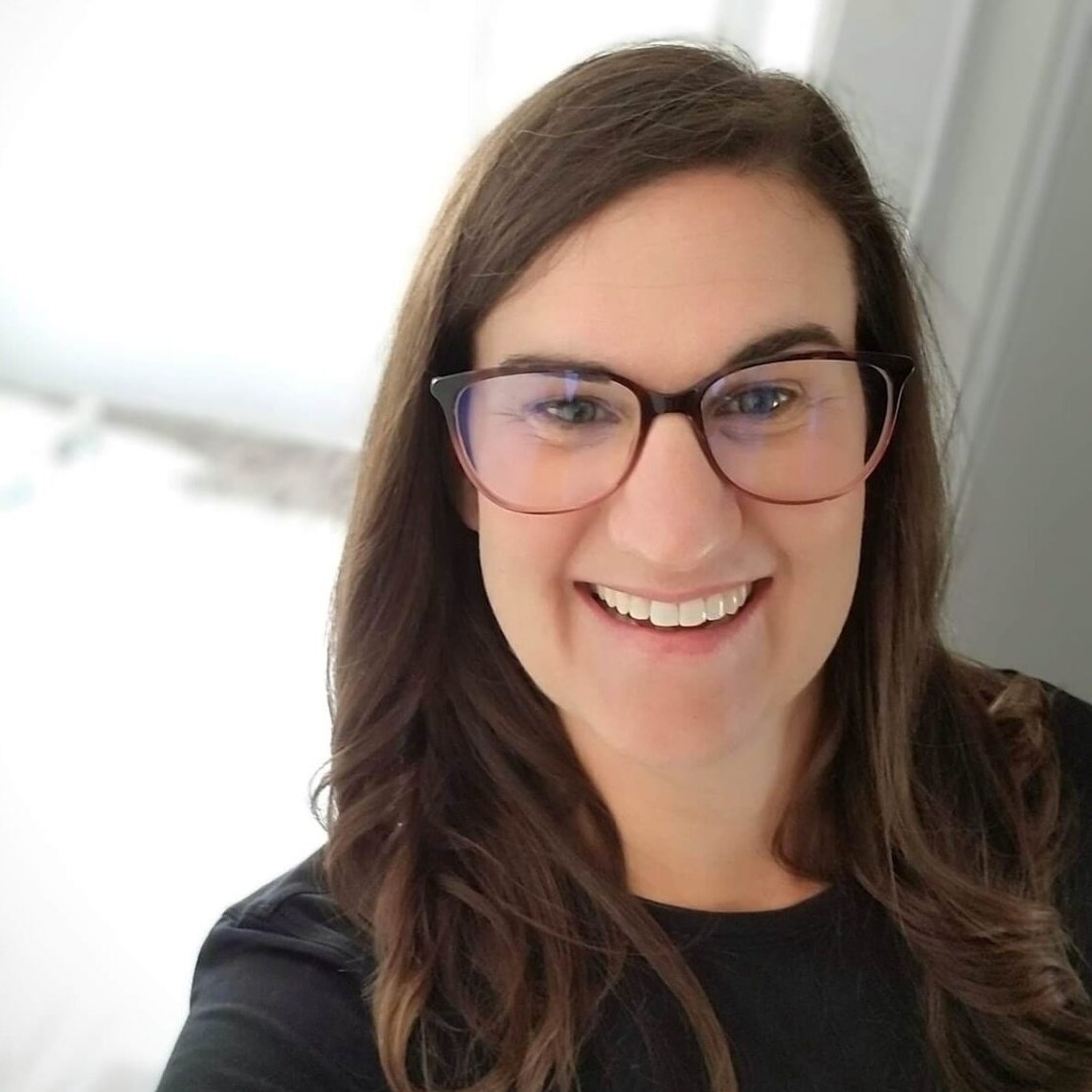
Who Wrote This
About Ashley
Ashley Reina is an OT, private practice owner, and co-founder of Therabyte, a practice management platform built specifically for OTs and SLPs. She speaks regularly on AI and documentation at conferences across Canada, including CAOT, and has spent the past year testing these tools in her own practice so you do not have to start from scratch.
FAQs
Common questions about AI and documentation
Is it safe to use AI for OT or SLP clinical documentation?
With the right precautions, many practitioners are already using AI to speed up parts of their documentation. The key is what you check before you start: consent, de-identification, and how the tool stores data. This guide walks through all three.
What is the difference between an AI scribe and a summarizer?
A scribe listens to a session and drafts a note in real time. A summarizer takes something you already wrote, like rough notes or a transcript, and turns it into a cleaner version. They solve different problems, and the decision guide in the reference sheet shows which one fits which situation.
Will AI replace clinical judgment or reasoning?
No. These tools help with the writing and formatting side of documentation. The clinical reasoning, the goals, and the decisions about care stay with you. Think of it as a faster first draft, not a replacement for your expertise.
Is this reference sheet built around one specific AI tool?
No. It is a framework you can apply to whichever tool you are considering or already using. The prompts are written to work in most general AI chat tools, not a single branded product.
Do I need to have attended an event or talk to use this?
Not at all. This guide stands on its own, whether you are here from a conference, a search, or a friend's recommendation.
FREE DOWNLOAD
Get the AI Documentation Reference Sheet
Enter your name and email and we’ll send it straight to your inbox. You’ll also get occasional tips on using AI and tech in your practice.