We’re still unpacking everything from CAOT in Montreal a few weeks back, and a bit of distance felt like the right time to actually write this down.
The conference itself was a bit of everything: work, connection, learning, and a little adventure too. Conversations throughout the conference, in formal sessions and in the hallway alike, made one thing clear: AI in occupational therapy documentation is no longer theoretical. OTs are actively figuring out how to use it to reduce administrative load while still protecting their own clinical reasoning and judgment.
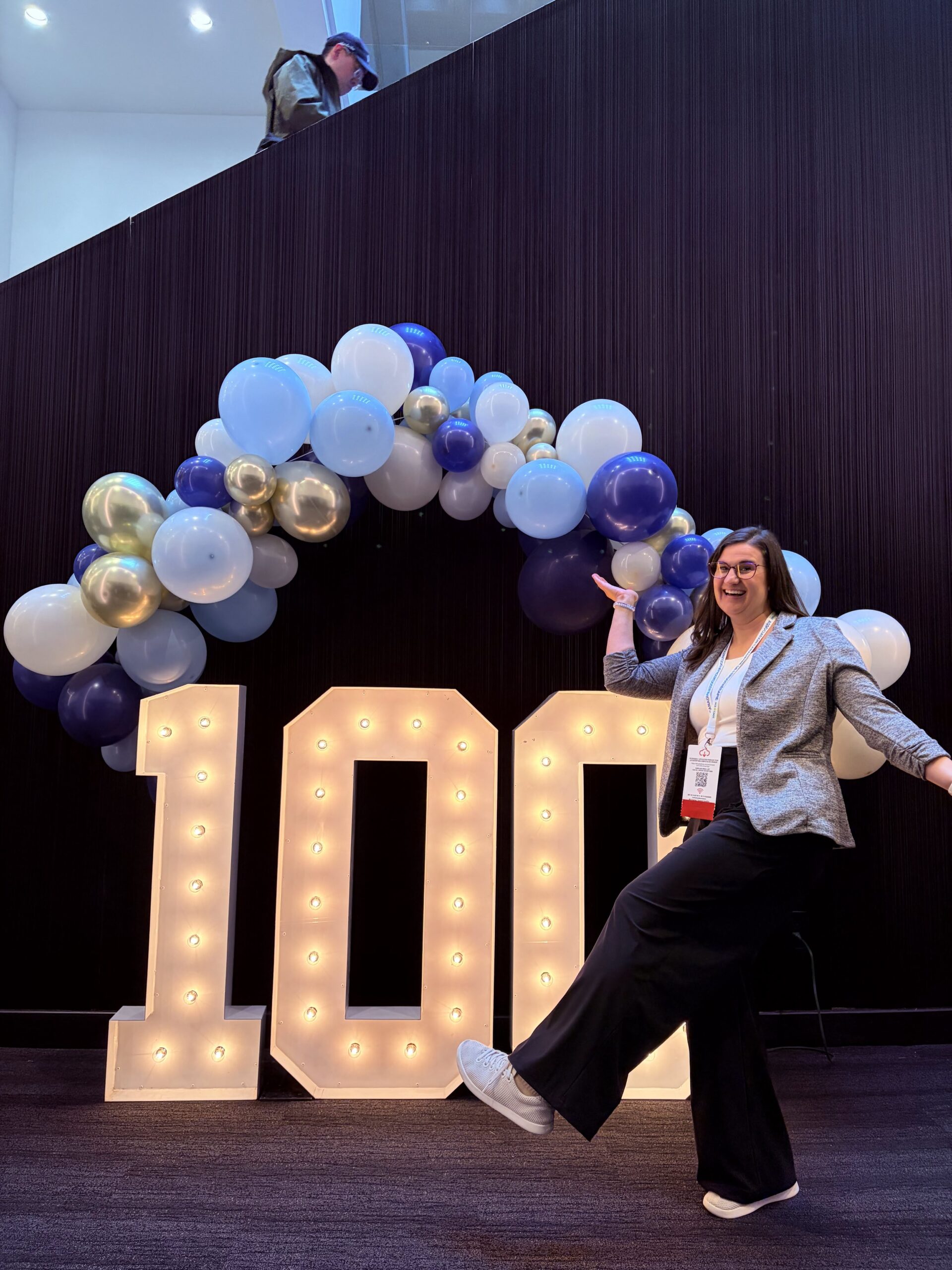
For our team, the real highlight was a bucket-list moment: Ashley, our co-founder and CEO, presented her first CAOT conference workshop, Harnessing AI for OT Documentation.
Why We Wanted to Talk About AI Documentation for OTs
The goal wasn’t a talk about where AI might go someday. It was about how OTs can use it right now, in ways that make documentation genuinely easier without losing what makes a note worth writing in the first place.
That’s the tension we hear from practitioners constantly. Documentation remains one of the biggest contributors to OT workload and burnout, but handing any part of it to AI feels risky if you don’t know where the guardrails are. So the session was built around a simple, practical structure: what to use, when to use it, and what to watch out for.
Presenting to a Full Room of Eager OTs
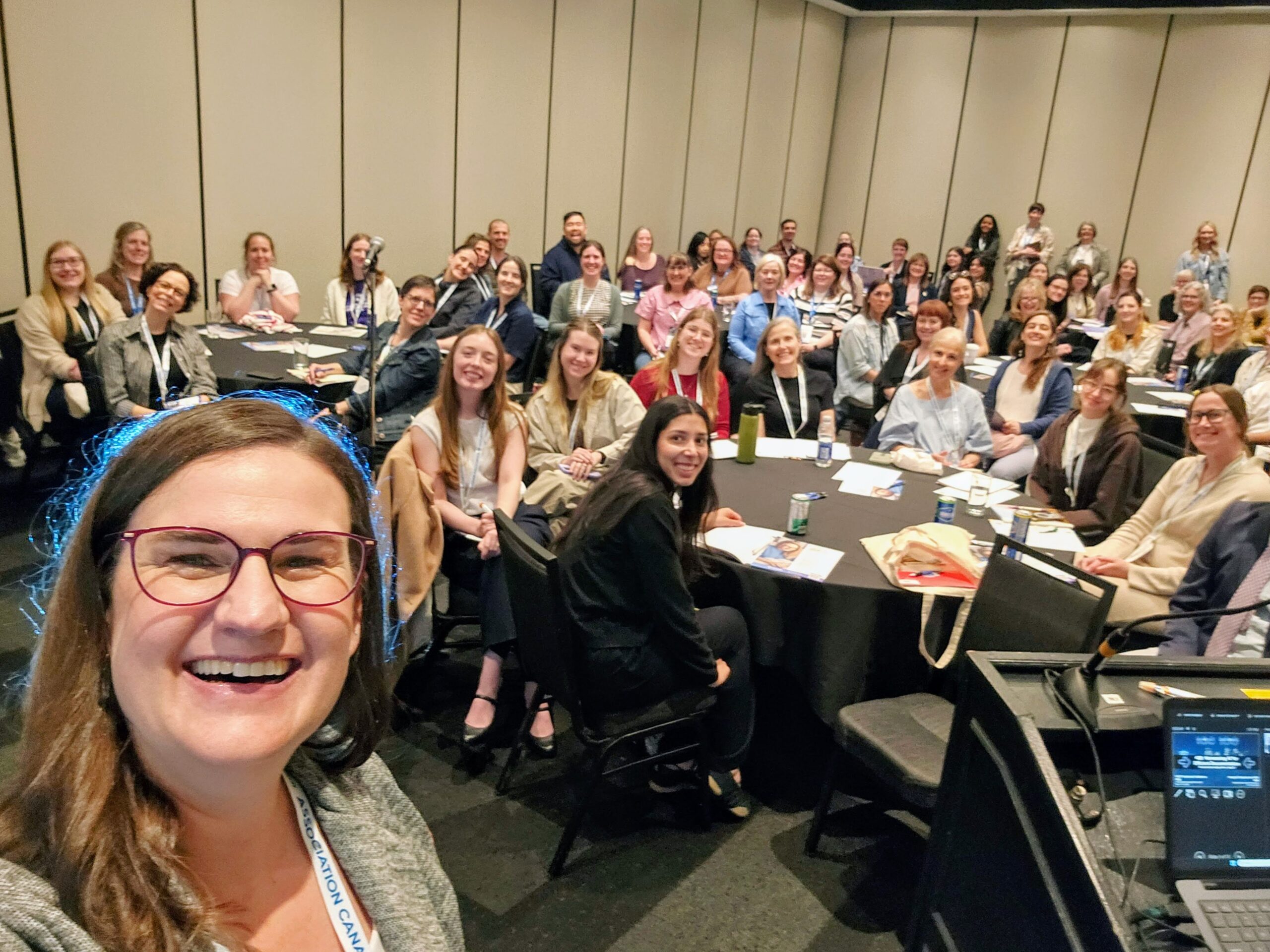
It was exciting to walk into a packed room. People showed up wanting practical answers, not hype, which tracks with what we hear from this community every day. For Ashley, it was a bucket-list moment and the highlight of the whole trip.
The session covered:
-
- AI scribes and voice-to-text tools for session notes
- AI-assisted summarization and report drafting
- Matching the right tool to the right documentation task
- Keeping clinical reasoning and decision-making front and center
- Ethical use, privacy considerations, and regulatory awareness
A consistent theme came through in the room and in the hallway conversations after: OTs are eager to use AI, but they want clear guidance on doing so responsibly and efficiently. Confidence varies widely from one clinician to the next, and what people are really asking for isn’t more tools. It’s a framework for deciding which tool fits which task, and when to trust their own judgment over the technology.
A Resource You Can Actually Use
Since not everyone could be in that room, we put together the same AI reference sheet Ashley shared at the workshop. It’s simple and built to be useful in your actual day-to-day, not another resource to file away and forget.
It covers:
-
- Common OT documentation tasks where AI can add value
- Guidance on selecting appropriate AI tools
- Key ethical and privacy considerations
- Practical starting points for integrating AI without overhauling your workflow
👉 Access the AI Documentation Cheat Sheet
This isn’t about pushing one platform or tool. It’s about giving you a place to start if documentation has been feeling heavy lately.
What's Next
CAOT reinforced something we already believed: AI in occupational therapy documentation is already here, and its impact depends entirely on how thoughtfully it gets applied. The next phase of this work, for us and for the field, is deeper workflow integration, support for longer-form documentation, and continued education on safe, effective use.
If documentation is the part of your week that drains you most, we’d genuinely like to know. These conversations shape what we build, teach, and share next.
For now, if you’re an OT or SLP trying to find a calmer way to manage the business side of practice, documentation included, that’s exactly what Therabyte was built for. Book a discovery call or start a trial to see how it fits into your workflow.